We adapt to your stack
If you already run on a certain cloud, language, or workflow, we work within it. No forcing our tools or our process on top of yours. We fit into how your team already builds, and flex our way of working to match.


Cloud
AI Models & Platforms
LLM Observability & Tracing
Languages & Frameworks
Infrastructure
Databases
CI/CD & Version Control
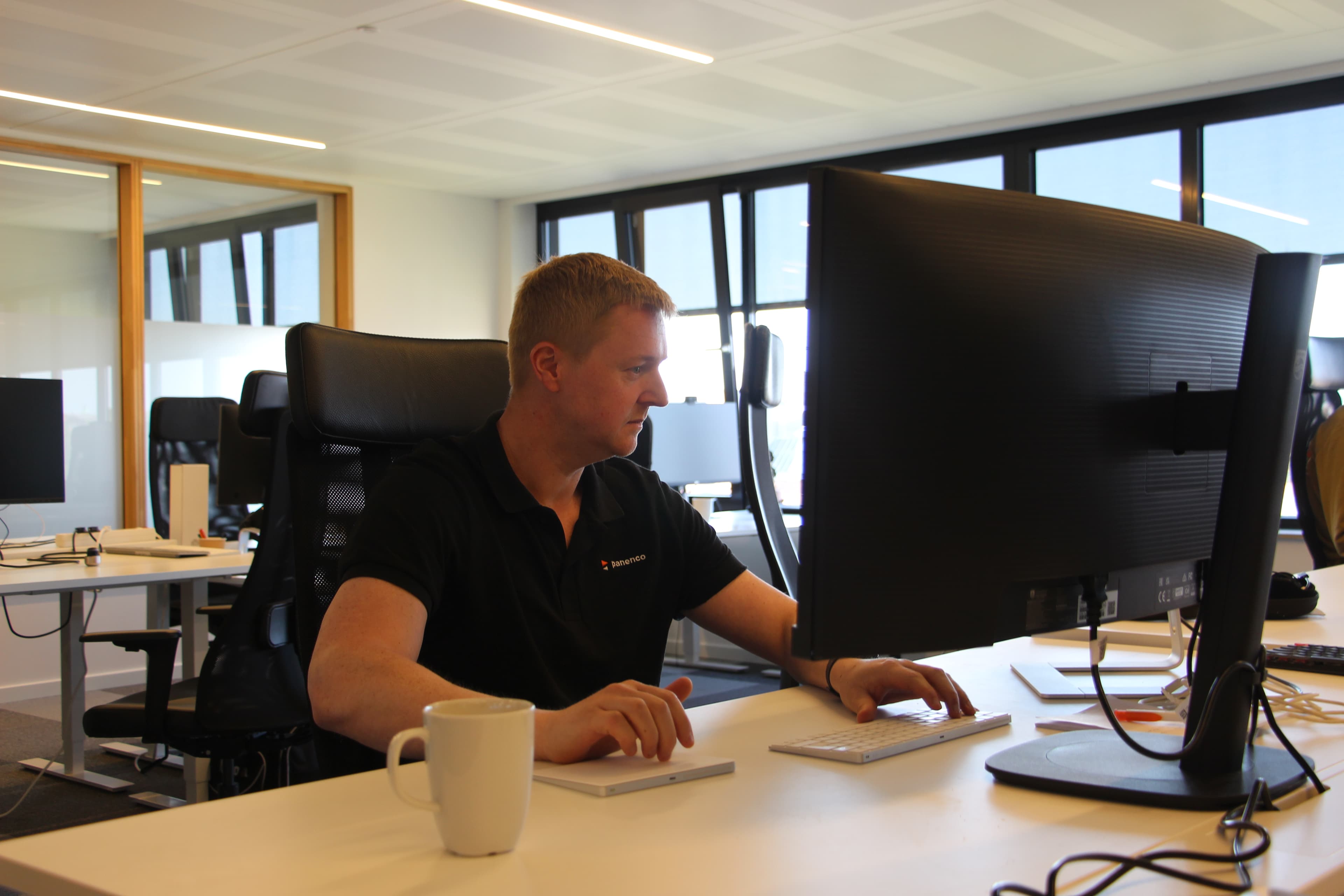
- Full-stack by default — front and back built together, decisions aligned, integration friction low.
- React and Next.js for product UIs; Node.js for event-driven APIs, Python for data pipelines and AI workloads, Go where throughput and concurrency demand it.
- Built for long-term ownership — maintainable foundations your team can extend, not just initial velocity.
Software engineering
- Full-stack by default — front and back built together, decisions aligned, integration friction low.
- React and Next.js for product UIs; Node.js for event-driven APIs, Python for data pipelines and AI workloads, Go where throughput and concurrency demand it.
- Built for long-term ownership — maintainable foundations your team can extend, not just initial velocity.
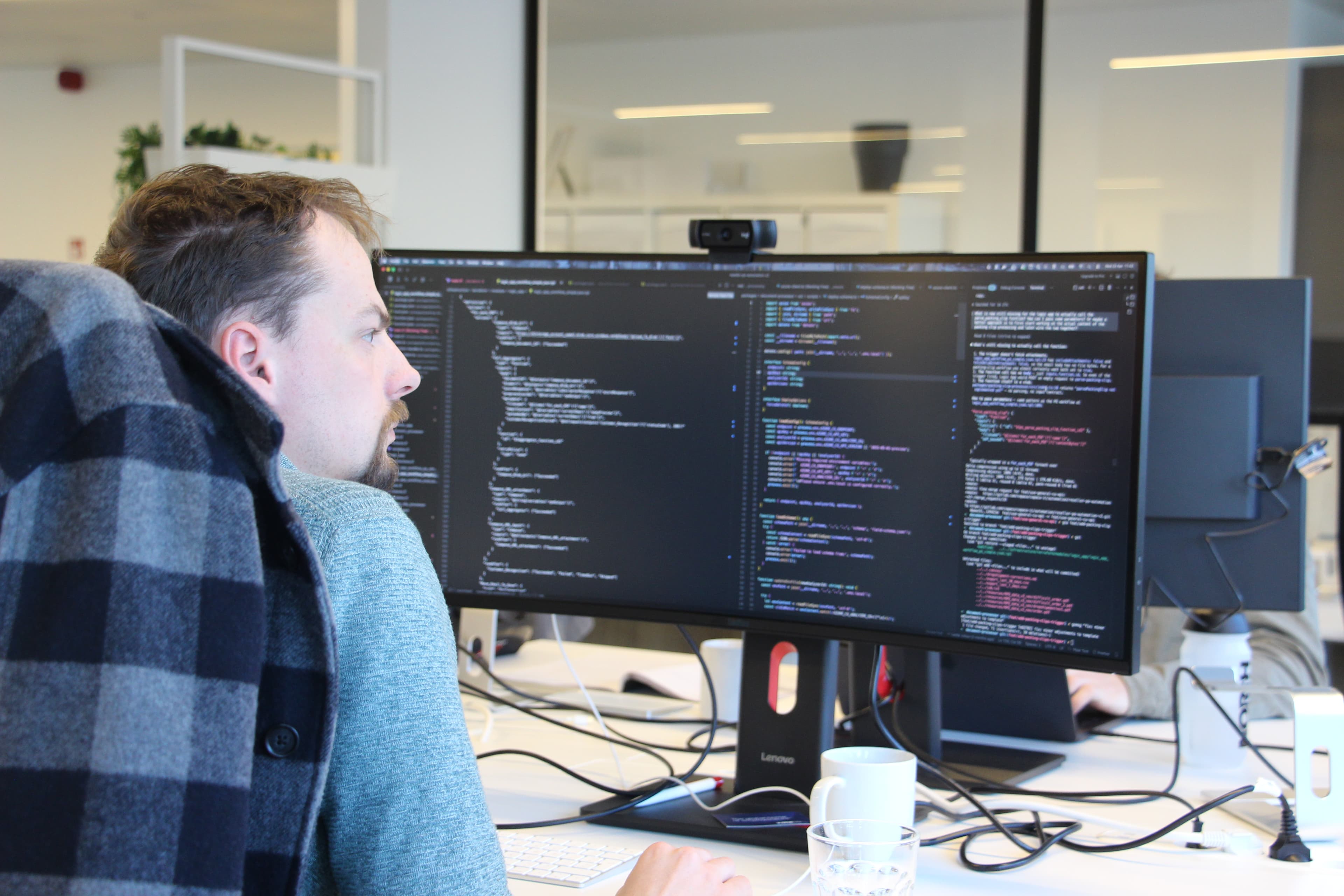
- Higher AI output quality through measurable evaluation loops, monitoring, and iteration, not one-off prompts in production.
- Controlled spend and latency as LLM features move from pilot traffic to steady-state usage across your product.
- Model selection, routing, prompt strategy, and orchestration across providers so capabilities embed without unnecessary platform rewrites.
LLM integration
- Higher AI output quality through measurable evaluation loops, monitoring, and iteration, not one-off prompts in production.
- Controlled spend and latency as LLM features move from pilot traffic to steady-state usage across your product.
- Model selection, routing, prompt strategy, and orchestration across providers so capabilities embed without unnecessary platform rewrites.
- Operational resilience and predictable scalability through explicit cloud architecture and environment strategy.
- Roadmaps for migration, observability, and cost-aware operations so spend and risk stay understandable as you grow.
- Fewer surprises in production through explicit architecture, observability, and operational playbooks.
AWS / GCP / Azure
- Operational resilience and predictable scalability through explicit cloud architecture and environment strategy.
- Roadmaps for migration, observability, and cost-aware operations so spend and risk stay understandable as you grow.
- Fewer surprises in production through explicit architecture, observability, and operational playbooks.
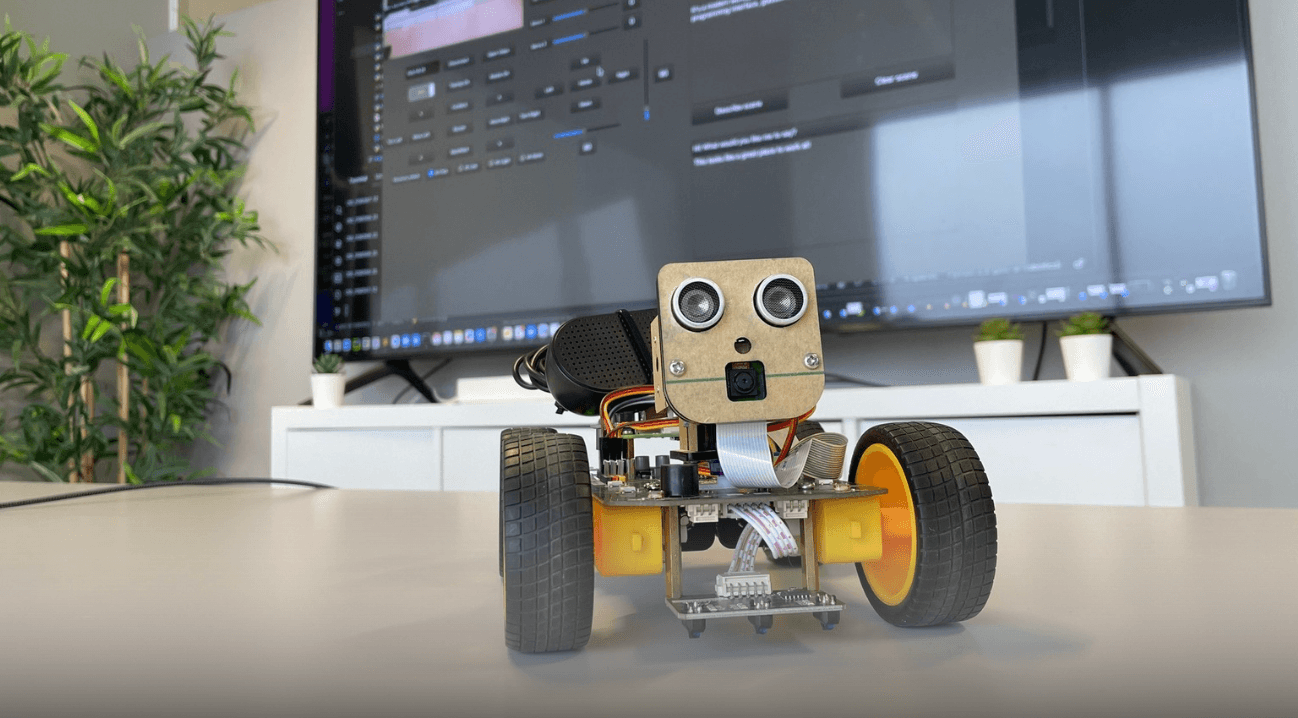
- Sensor data ingestion and device-to-cloud pipelines designed for unreliable connectivity and high-volume telemetry.
- Real-time monitoring, alerting, and anomaly detection so operations teams see issues before they become outages.
- Zero-downtime cloud patterns for connected products and field-deployed software.
IoT & connected systems
- Sensor data ingestion and device-to-cloud pipelines designed for unreliable connectivity and high-volume telemetry.
- Real-time monitoring, alerting, and anomaly detection so operations teams see issues before they become outages.
- Zero-downtime cloud patterns for connected products and field-deployed software.
- Multi-step agents that can act on your behalf with clear boundaries, escalation paths, and human oversight where it matters.
- Tool use, memory, and orchestration patterns suited to real workflows, not demos that fall apart under edge cases.
- Eval frameworks and guardrails to keep agent behaviour on-track as usage and surface area expand.
Agentic AI
- Multi-step agents that can act on your behalf with clear boundaries, escalation paths, and human oversight where it matters.
- Tool use, memory, and orchestration patterns suited to real workflows, not demos that fall apart under edge cases.
- Eval frameworks and guardrails to keep agent behaviour on-track as usage and surface area expand.
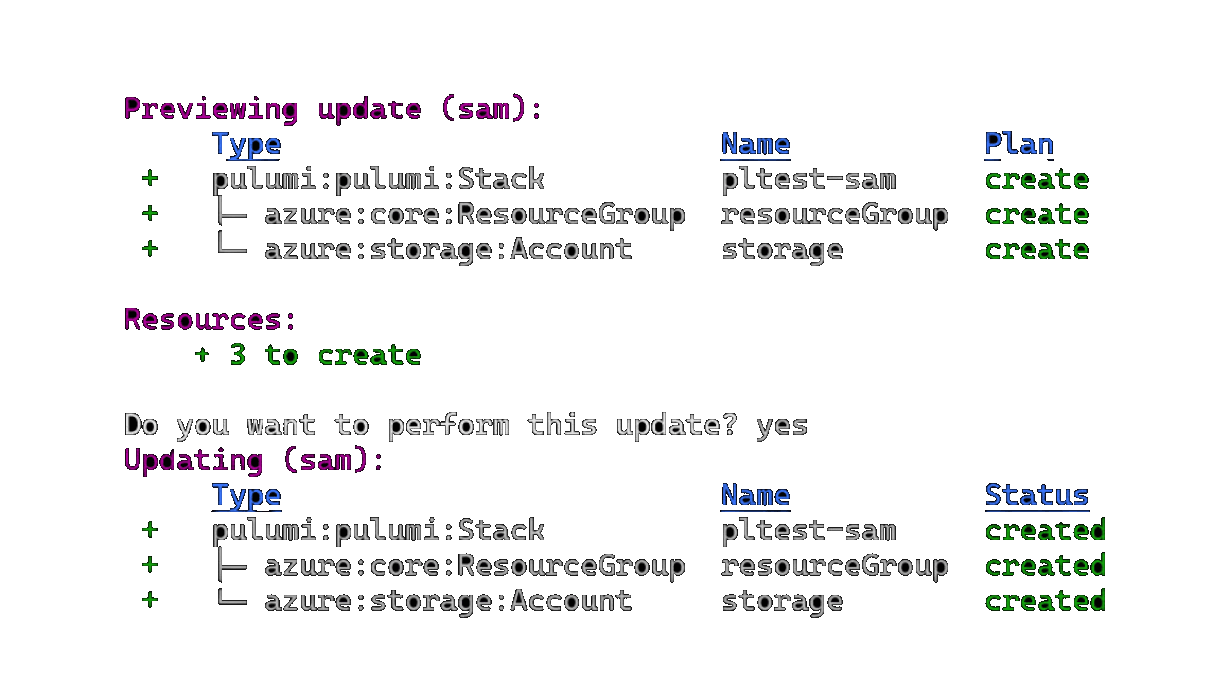
- More reliable releases through repeatable infrastructure workflows and environments your platform team can own.
- Infrastructure-as-code baselines for provisioning, deployment, and drift control, Terraform and Pulumi where they fit best.
- Automation and governance that shorten release cycles without trading away security or auditability.
Terraform / Pulumi
- More reliable releases through repeatable infrastructure workflows and environments your platform team can own.
- Infrastructure-as-code baselines for provisioning, deployment, and drift control, Terraform and Pulumi where they fit best.
- Automation and governance that shorten release cycles without trading away security or auditability.
Relevant case studies
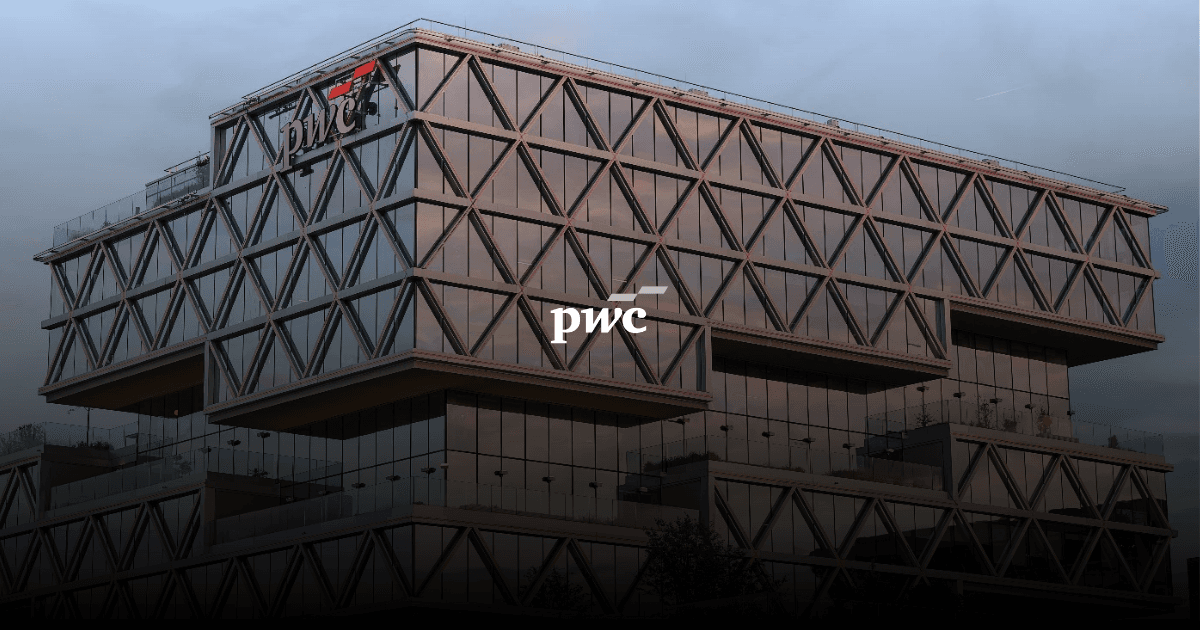
A long-standing collaboration in Audit & Assurance technology
For over eight years, we've had the privilege of collaborating with PwC Belgium on multiple projects in the audit and assurance space. Together we develop innovative software solutions, widely used across their teams and clients. Our collaboration is built on a foundation of trust and teamwork, combining our deep technical expertise with PwC Belgium's extensive business acumen.
- Enterprise
- GenAI
Building an LLM pipeline to extract insights from DataCamp's learning videos
Founded in 2013, DataCamp aims to make data science education accessible to all. They offer an online learning platform covering data science, engineering, and AI, serving over 10 million users and more than 2,500 companies globally. DataCamp requested our assistance in assembling a product team to accelerate specific roadmap goals, including the development of an LLM pipeline to automatically extract insights from the webinars on their learning platform.
- GenAI
- SaaS
- Scale-up
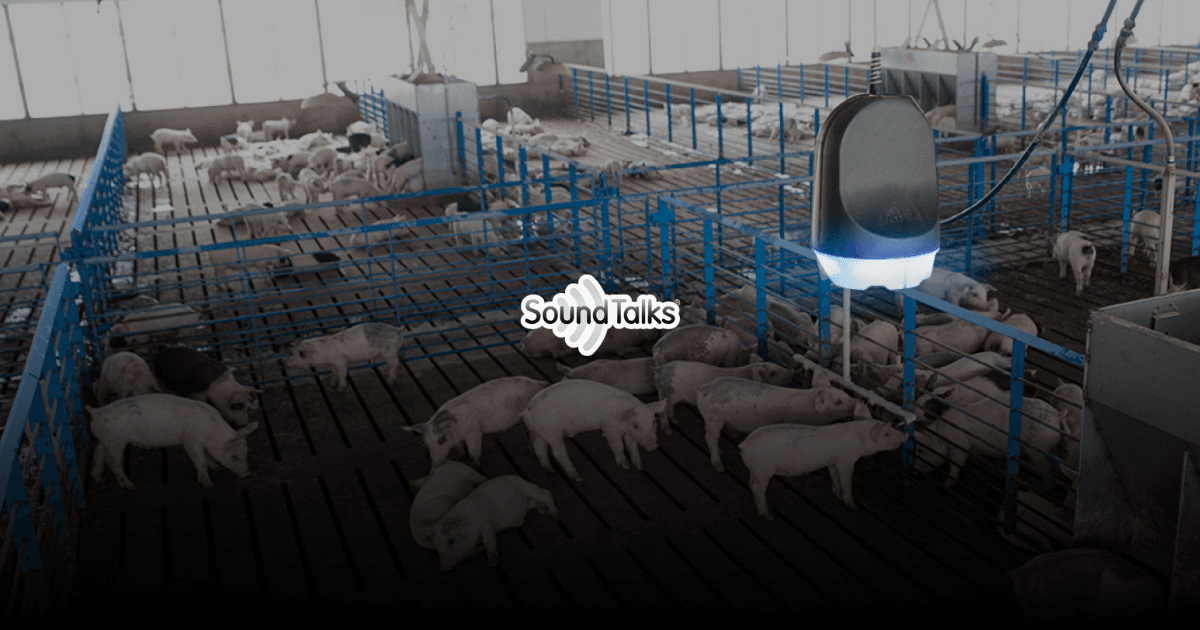
Early disease detection in pig farms through sound data and AI
SoundTalks is a spin-off from KU Leuven built on years of research in sound analysis and precision livestock farming. They created a hardware device to capture sensor data in pig farms and an algorithm to detect disease patterns. We assisted them with their AWS cloud architecture and digital product development.
- IoT
- Scale-up
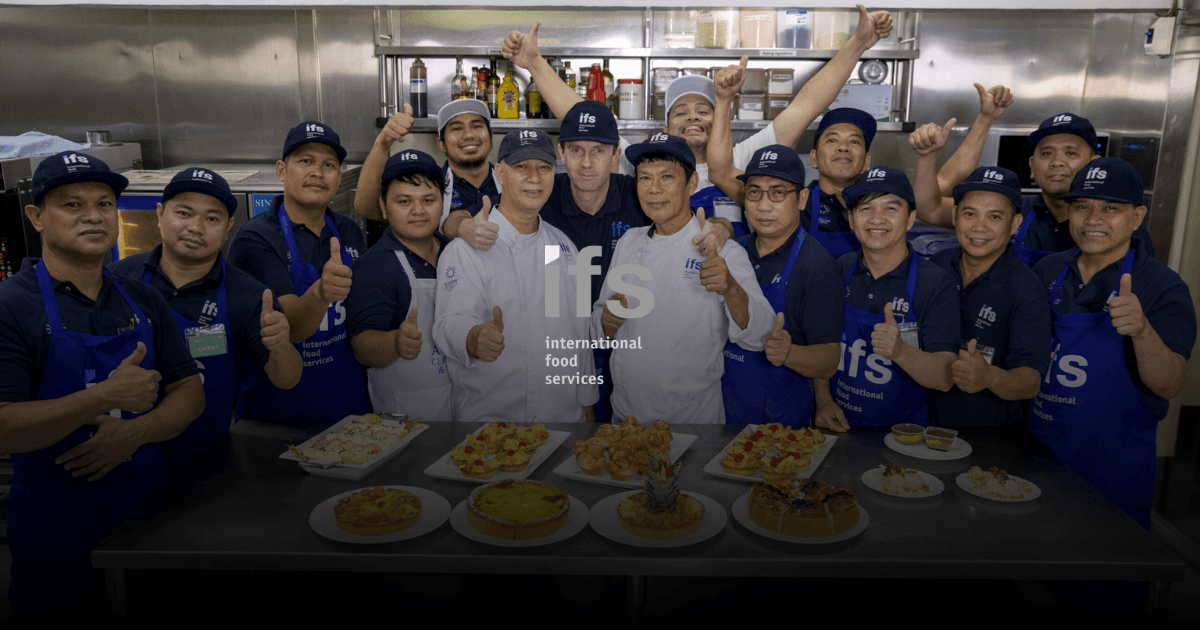
Measuring every cooking move using computer vision to scale offshore chef training
IFS invests in world-class training facilities to prepare cooks who deliver exceptional dining experiences. The M.A.R.I.S. platform transforms raw sensor and video data into actionable quality insights, enabling scalable, consistent excellence across all training locations.
- GenAI
- IoT
- Enterprise
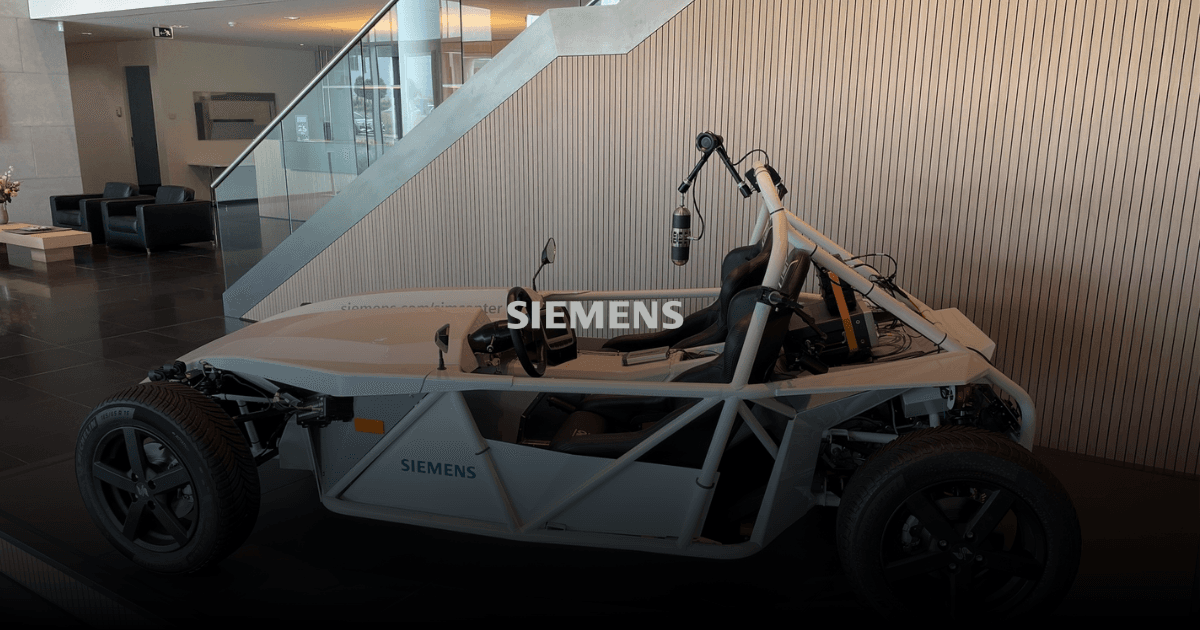
Developing a web interface for a simulation and testing platform
Around two years ago, the Model-Based System Testing (MBST) team within Siemens Digital Industry Software engaged us to support the development of a web interface for their simulation and testing platform. The platform supports component-level testing that involves interactions between physical hardware and simulated models.
- Enterprise
- IoT
Building AI agents to manage the office of the CFO
systemzero is a US-based startup on a mission to empower finance teams with AI-driven insights and workflows. At its core, the platform aspires to become the vertical AI co-pilot for the Office of the CFO, enabling financial leaders, executive teams, and boards of directors to make informed decisions grounded in real-time, reliable data. systemzero is already serving several Fortune 500 companies today, just 6 months after launch, and is growing rapidly.
- GenAI
- Start-up
“Working with Panenco has allowed us to accelerate our product development roadmap across several key areas. Their technical team integrates seamlessly with ours, as we leverage our combined expertise to build innovative solutions for our teams and clients.”

Martijn Smet
Director Financial Services at PwC Belgium






Contact
Talk to us about your technology stack
We can help you move from strategy to implementation with a team that ships.